Packed Kilim and Gabbeh
In category: Carpets & Handicrafts
Define the actual kilim and gabbeh assortment, condition records, protective packing and package identities before ordering a mixed textile shipment.
Include your destination, quantity and intended use for a focused sourcing review.
Good packing for kilim and gabbeh is more than a tidy-looking shipment. It should help the same piece that the buyer viewed and accepted reach its destination with clear identity and appropriate protection. A mixed assortment can contain different sizes, structures and conditions; sharing a package does not mean every item has the same handling needs. This guide concerns selecting and preparing an assortment, not promising a ready-made export pack with fixed contents. The actual goods and protection method must be stated in the supplier's proposal, with informed specialist review where the textiles are sensitive.
Define the contents before choosing the package
State how many kilims and gabbehs are needed and whether individual pieces will be selected or the seller will propose an assortment. In the latter case, define acceptable size, colour, style and condition ranges. Packed does not determine a fixed quantity, grade or handmade status for everything inside. First establish what goods the package is actually intended to contain.
Retain an identifier, photograph and dimensions for each item. If the assortment serves several customers or branches, record the internal destination too. Buying a group should not erase individual descriptions. Otherwise the total count may be right while the supplied mix differs from what the buyer expected, leaving no reliable reference for resolving the disagreement about the chosen assortment.
Do not merge different structures into one vague label
Museum records, such as the Metropolitan Museum's kilim example, describe flatwoven construction. The offered gabbeh should likewise be described by its actual structure. Complete market names with front and back photographs and material information. Construction differences can affect packing volume and review needs. Simplifying an invoice is not a reason to describe every textile as though it were the same kind of object.
If the seller uses regional or commercial terms, explain them in the order record. State whether a material claim concerns the surface, foundation or complete construction. Avoid unsupported attribution of weaving region, age or production method. This page does not treat every market example as a uniform family; it aims to preserve meaningful differences within a combined purchase.
Record condition before it disappears under wrapping
Document edges, fringe, reverse and areas with unusual appearance against the item identifier. If the goods are used or repaired, disclose that information before selection is final. A photograph of the completed package cannot replace examination of the textile. The best time to resolve a condition question is before protective wrapping hides the details needed for that review.
Match acceptance to the intended use and consider specialist assessment for sensitive or valuable pieces. Different items in one assortment may need different checks. Accepting selected examples does not implicitly approve every item. Keep unexamined aspects visible in the report so a limited review is not later interpreted as confirmation that the entire shipment was free of any condition issue.
Choose protection according to the textile's condition
The George Washington University Museum and Textile Museum links rolling choices to textile condition, while CCI notes that some textiles should not be rolled. There is therefore no single automatic rule for every item. Request the proposed protection method and involve an appropriate specialist for fragile construction or loose elements rather than deciding solely from the item's market name.
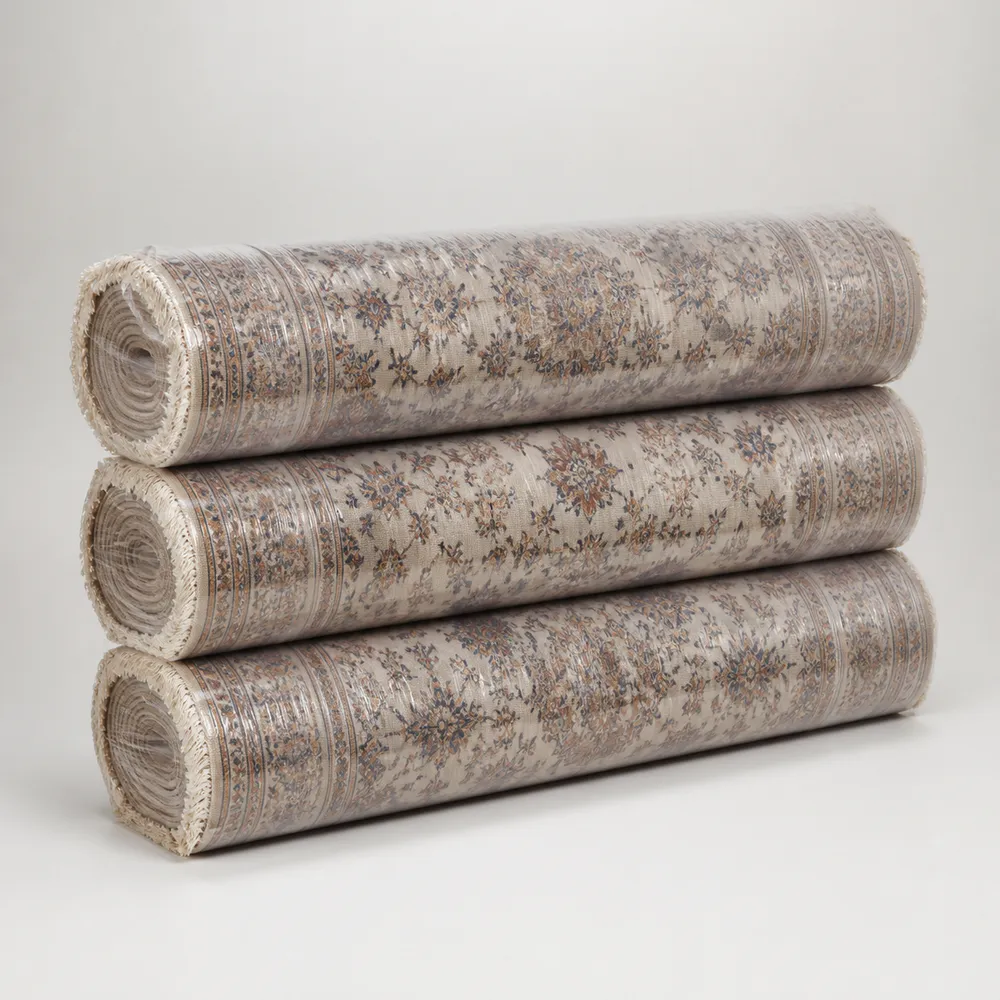
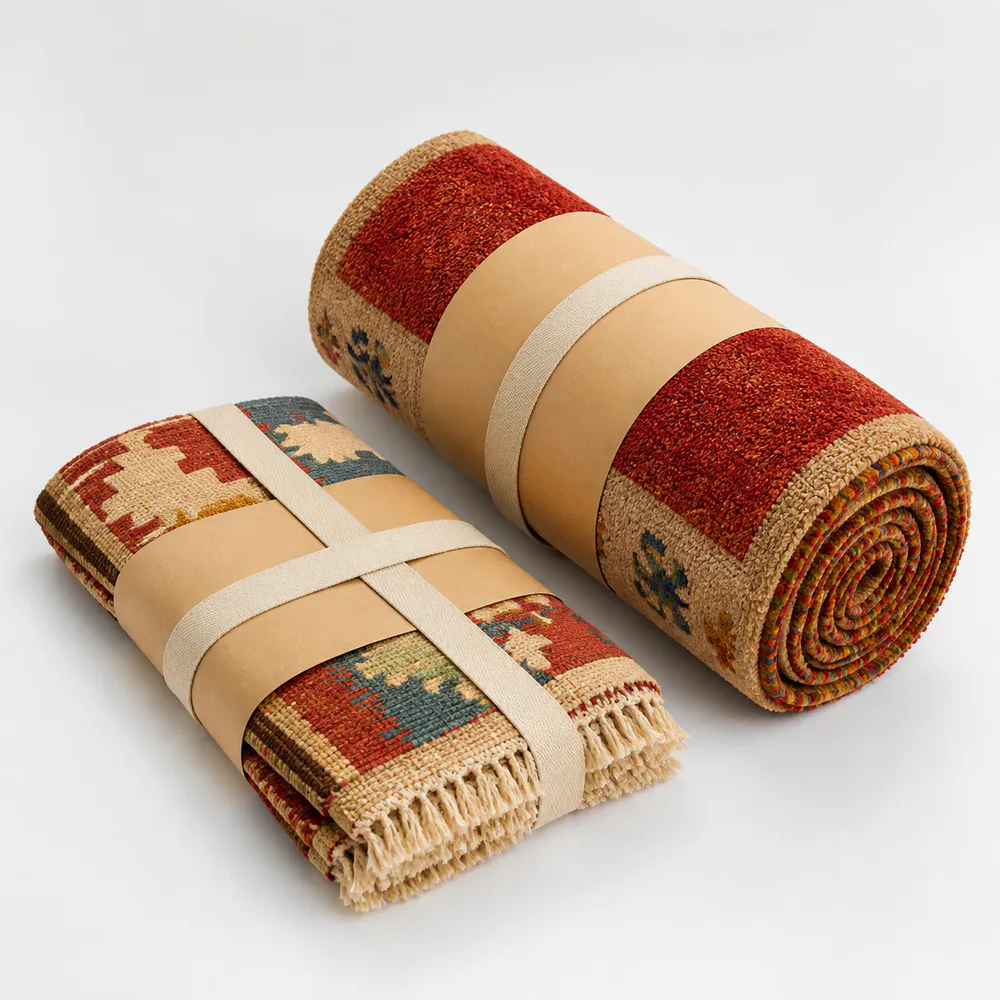
Compressing an assortment to reduce package size should not proceed without considering its structure and condition. Identify proposed interleaving, support and exterior covering, including suitability for contact with the goods. This page prescribes no universal rolling direction, radius, pressure or packing recipe. Protection should suit the particular assortment, not merely produce a convenient-looking shape for transportation.
Confirm readiness for packing separately
Ask the seller to state cleanliness, dryness and any treatment carried out before delivery. Where recent washing or repair has occurred, the responsible person should confirm readiness for packing. A strong-looking outer cover cannot replace that decision. Moisture or an unresolved condition issue should not simply be enclosed and passed into the transport stage of the transaction.
Where suspicious signs appear, assess the item before mixing it with the rest of the assortment. This page offers no pesticide treatment, home-washing recipe or chemical recommendation. Follow appropriate product guidance and specialist advice for the particular textile. Keep records of previous work so the next buyer does not make decisions under the mistaken belief that no intervention has occurred.
Make the contents identifiable without repeated opening
Connect each package's contents list to individual item identifiers and give the buyer a copy. Package number, count, description and agreed exterior dimensions make receiving more manageable. If several textiles share a package, record their intended allocation. The store team should not have to open every shipment unnecessarily merely to find one piece destined for a particular customer.
Keep transport dimensions and weights distinct from the dimensions of the textiles themselves. Freight estimates should relate to the real package rather than only the sum of carpet areas. If reduced-volume packing is proposed, review its effect on protection. No fixed shipping cost or package volume is guaranteed here; update the information once the assortment and method have been established.
Plan destination inspection and subsequent storage
Identify an inspection area and receiving owner before the delivery arrives. Document external damage or unusual signs before extensive handling and follow the agreed reporting process. Unpacking should avoid harming the contents. A method suitable for a robust piece may not apply to a fragile textile or one with previous repair. The receiving plan needs to recognise those differences.
After opening, reconcile each item with the accepted list and images. If storage will follow, do not automatically treat transport packing as a long-term storage method. Assess the location and each textile's needs separately. Preserve identification and receipt records through later distribution so the history and condition remain clear when a piece moves to a branch, showroom or final customer.
Send the assortment and protection brief together
Tell Saderati the destination, kilim and gabbeh quantities, size range, preferred style and expected condition. Include photographs and identifiers where pieces are already selected. Explain whether goods go directly to customers or first enter a distribution store, and note package-size constraints. That context makes a realistic packing proposal possible rather than leaving the seller to guess the intended journey.
Ask the supplier to describe assortment, protective method, labels, documents and delivery conditions separately. Saderati facilitates contact around the request; the packed title is not a guarantee of a particular service or permanent ready stock. A precise order should preserve both the textile's identity and its presentation, while allowing the receiver to establish exactly what arrived and under which agreed conditions.
Buyer questions
Is one packing method sufficient for all kilims and gabbehs?
Not necessarily. Dimensions, construction, condition and transport route matter. Review protection for the actual items, especially when a textile is fragile or repaired.
Can every item be compressed to reduce freight cost?
Reduced volume should not be pursued without assessing its effect on the goods. Review the proposed protection with an informed person before choosing the transport format.
Does a photograph of the completed package confirm condition?
No. Record the textile's condition before packing with its own identity and images. Exterior photographs provide only part of the delivery record.
Is transport wrapping suitable for extended storage?
Do not assume so. Review storage conditions and the textile's needs separately, obtaining specialist textile-care guidance where appropriate.