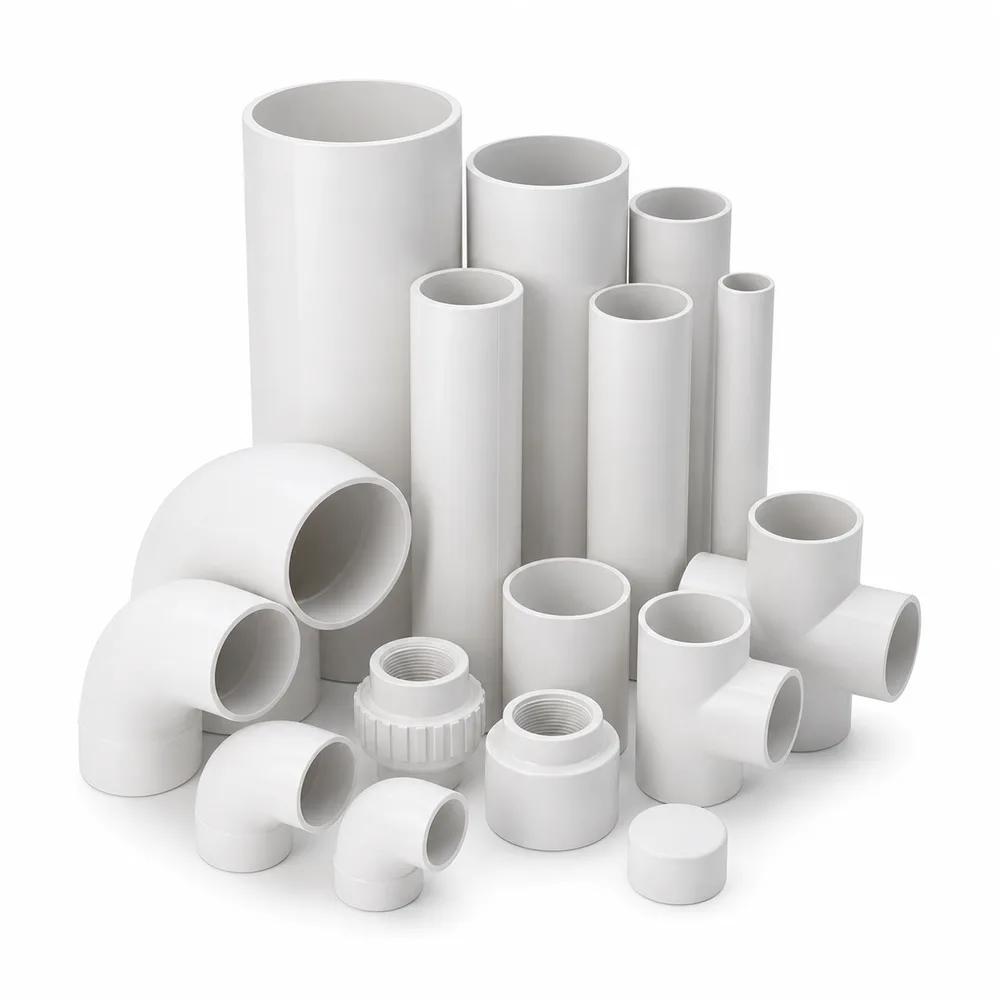
Custom PVC Profiles
In category: PVC Profile
Define a custom PVC profile project through functional needs, design maturity, tooling scope, prototypes and acceptance stages before requesting production pricing.
Include your destination, quantity and intended use for a focused sourcing review.
PVC These products are made of PVC (polyvinyl chloride).
Ordering a custom PVC profile is different from buying a length of an existing item. The buyer may need a new shape, combine several parts into one section or develop a component for a new product. Before discussing price per metre, establish what is genuinely new and which decisions remain open. This guide separates requirement definition, manufacturing review and sample acceptance. Its presence does not mean that a suitable tool already exists or that every proposed section can be manufactured. Capability, cost and timing need a specific response from a supplier who has reviewed the actual design.
Describe the problem before the proposed shape
Explain why an existing or standard part does not meet the need. Has assembly space changed, are there too many operations, is the connection unsuitable, or is an entirely new product being developed? Send the proposed form with its purpose. Seeing only an outline may lead a bidder to suggest a change that simplifies production but undermines the reason for the project.
Turn success into something reviewable. It needs to be better is not a sufficient brief; identify the problem that must disappear and the features to be assessed in a sample. Also consider whether an approved modification to an existing option could meet the need. Customisation has no independent value merely as a label. Its value comes from solving the actual product problem.
Declare the design's maturity accurately
A concept sketch, a drawing ready for review and a production-released design do not carry the same certainty. State the file's status and list open decisions. Do not conceal unresolved material, wall or connection choices. Development proposals differ from quotations for confirmed manufacture, and need an appropriate scope and schedule rather than a production price based on unstated assumptions.
Ensinger and REHAU discuss profile development across material, geometry and process. The purchasing implication is to coordinate those decisions. These sources do not establish that every bidder performs every stage. Ask the respondent to identify its own proposed contribution and the information required from you. A clear division of work is particularly valuable when design, toolmaking and production involve different organisations.
Connect material choices to the part's function
If PVC is already specified, document the reason and requirements with the design owner. If it is not, the title of this page should not settle material selection before technical review. Describe necessary stiffness, any compliant features, the environment and contact with adjacent components. Words such as resistant, flexible or industrial need an intended function and an acceptance basis before they become useful development requirements.
A proposal may suggest another material or a combination of different sections. Review each alternative for its effect on performance, assembly, evidence and acceptance. This page promises no particular manufacturing method or multi-material capability. Once a choice is made, preserve the material reference in the design revision and order so samples and later production do not silently refer to different definitions.
Separate tooling activity from supplied production
Ask the bidder whether the design needs a new tool, a modified tool or an existing option. Request separate information about cost, revision scope, deliverables and the acceptance point for each activity. Payment for development work should not be confused with purchasing a production quantity. Identify what must be completed before the project moves from the initial review into the next stage.
Ownership and access to files and tools, maintenance and later modifications need agreement between the parties with appropriate commercial review. This page does not provide a contract or case-specific legal advice. It highlights matters that should not remain unspoken. Before sharing a drawing belonging to another party, also establish your organisation's right to use and disclose that material for the intended enquiry.
Do not confuse a form model with a production sample
A model made by another process can help assess space and appearance without proving the behaviour of the manufactured component. State the sample's purpose: geometry review, visual presentation, assembly evaluation or acceptance of the actual process. Identify material and preparation method so conclusions do not extend beyond what the exercise was designed to examine and what the sample can represent.
If the next sample uses a different tool or process, decide which checks must be repeated. Design and quality should agree criteria before the trial. A sample made usable through manual correction should not be presented as complete production acceptance unless that intervention is recorded and addressed. Differences between the prototype and final goods belong in the report rather than being treated as irrelevant details.
Make each iteration a traceable decision
For every review cycle, keep a short list of the issue, proposed change and decision owner. Identify the revised drawing and make clear which earlier version is obsolete. Several similar files named final increase the chance of sending the wrong information. Assign one owner for releasing the accepted file to the supplier and to the internal teams that will rely on it.
Review consequences elsewhere in the assembly. Changing an opening may affect appearance or the mating part, while a different delivery length may alter packing. Revision records are not intended to slow development; they prevent those consequences from being forgotten. While a critical question remains open, preserve the project's development status instead of building a firm production promise on an unresolved assumption.
Distinguish prototype, pilot and repeat-order gates
After design acceptance, state what the next stage must demonstrate: production dimensional consistency, readiness of secondary work or coordination of packing and assembly. Set pilot quantity and evaluation with the responsible team. No universal minimum order or preparation time is stated here. Those answers depend on the design, tooling and the specific supplier proposal that is actually under consideration.
On pilot receipt, reconcile sample identity, drawing revision, material reference and agreed reports. Stabilise repeat-order conditions only after reviewing the required results. Any remaining exception or correction belongs in the acceptance record. A bulk purchase should not become a way to resolve an uncertainty that has not yet received an adequate answer during the sample or pilot stage.
Structure the custom enquiry in stages
Send Saderati the functional problem, files you are authorised to share, application, destination and design maturity. Separate sample quantity from production forecasts. Identify settled features, negotiable constraints and target timing. If you need help defining the specification, say so. That request should not be mistaken for purchasing an existing profile whose material, geometry and production conditions are already established.
The supplier's response should expose assumptions, development scope, separate costs, evidence and acceptance milestones. Saderati facilitates contact for reviewing the request rather than pre-approving the manufacture of any possible design. A useful outcome is a manufacturable, assessable design with clear agreements. Price per metre becomes meaningful within that definition; it cannot replace the work required to establish it.
Buyer questions
Is a final drawing essential before making an enquiry?
No. A functional brief and early concept can start the discussion, but identify the development stage. A concept request is different from a firm order against an accepted production drawing.
Is tooling automatically included in the profile price?
The actual proposal must state this. Request separate treatment of tooling, revisions, samples and production so each payment and its deliverables are understandable.
Does a printed or handmade model approve final production?
It may support a shape review, but material and process can differ. Conclusions are limited to the test's purpose; production acceptance requires its own appropriate evaluation.
When should repeat purchasing conditions be finalised?
When drawing, material, delivered state and acceptance criteria are stable and the necessary stage results have been reviewed. Remaining uncertainties should stay visible rather than being hidden inside a larger quantity.